Top Ten Tuesday was created by The Broke and the Bookish in June of 2010 and was moved to That Artsy Reader Girl in January of 2018. It was born of a love of lists, a love of books, and a desire to bring bookish friends together.
Previous Top Ten Tuesday Topics
- 4th April: Indie/Self-Published Books
- 11th April: Titles with Animals In Them
- 18th April: Non Book Freebie: Baking
- 25th April: Favourite Audiobook Narrators
- 2nd May: The First 10 Books I Randomly Grabbed from My Shelf
- 9th May: Books I recommend most to others
- 16th May: Things Getting in the Way of Reading
- 23rd May: Things That Make Me Instantly Want to Read a Book (Auto-Buy Authors)
This week’s topic is an interesting counterpart to last week’s list of things that automatically make me want to read a book – it appears my list comprises of the following
- Compelling characters
- Engaging relationships
- Convincing Worlds
- Magic
- Folklore or Mythic
- Humane outlook on life
- Explorations of grief and death
- Explorations of what it is to be English
- Pleasure and joy
It would be tempting simply to invert those notions – what would turn me off a book? Unconvincing characters, inauthentic relationships etc… and yes that would be true. But a little bit of a cheat perhaps! That said, my wife came home from work yesterday with conjunctivitis which she has merrily shared, so my vision is a little blurred right now… tonight, I am not averse to the concept of a short cut!
My other issue is that I do read widely and whilst I will offer some of the themes and tropes that may discourage me from reading a book, none of these will necessarily stop me from reading it. They may, however, make it an uphill job for the author to grab my attention. I wonder what examples of these I can come up with that I did read…
Talking Animals
I do love animals in literature, but have never found them convincing as a voice – if too anthropomorphised they lack credibility; if too naturalistic, the attempt to make them comprehensible breaks that willful suspension of disbelief. Perhaps I have been over exposed to Disney.
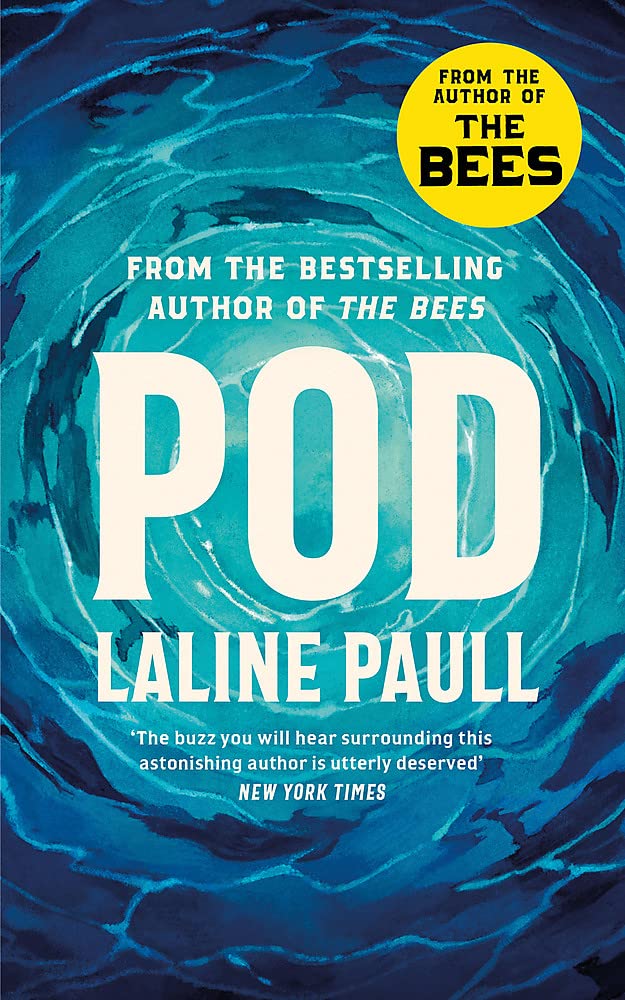
Laline Paull’s The Bees and her latest Pod falls into this category: despite the fact that it is shortlisted for the Women’s Prize for fiction this year, I have struggled to be convinced by the narrative voice of the dolphins that populate it whether that be the Longi Ea, the Tursiops Devi. Nor the remora fish that attaches itself to our point of view character, Ea. The language and culture(s) of the dolphins just did not ring true.

One book where a talking animal character did work was Patrick Ness’ The Knife of Never Letting Go where – following a viral infection in a war on a distant planet – the dog Manchee has a voice and has a (brief but) important role. His voice goes like this:
THE FIRST THING you find out when yer dog learns to talk is that dogs don’t got nothing much to say. About anything.
“Need a poo, Todd.”
“Shut up, Manchee.”
“Poo. Poo, Todd.”
“I said shut it.”
One caveat to those who love animals though… Manchee doesn’t make it into the other books in the series and I know that animal deaths is a trigger for many.
Animal Narrators

In Pod, neither Ea nor the other dolpins are the narrator – it is a third person narrative – but the narrative voice feels very close to thim.
Ironically, one effective example of an animal narrator is also from the cetacean world, and was also written by Patrick Ness: And the Ocean Was Our Sky – a short novella that purports to be a retelling of Moby-Dick from the whale’s point of view, but which is an incredibly deep and thoughtful exploration of power and conflict…
Prison Settings

I’m not entirely sure what it is about prison settings – both on TV and in reading – that puts me off. Perhaps it is the bleakness – but I like bleakness in other contexts; I mean, I have read The Road! Perhaps the inhumanity inherent in locking people up like animals. Perhaps the lack of narrative direction – where can these prisoners go after all?
Perhaps it has something to do with the fact that I have been a lawyer and found visiting clients in prisons deeply depressing and distressing.
Rachel Kushner’s The Mars Room was enjoyable though, although primarily it was carried in the sections that led up to the arrest and violence that had landed us in jail. What was convincing in this one though was the language and the idioms of the prison yard.
School Settings
On the topic of things that are too familiar – and we all know what familiarity breeds – I find school settings are a turn off because I am a teacher. Magic schools? Realistic schools? Vampire academies? High Schols? Colleges? Thank you but, no…
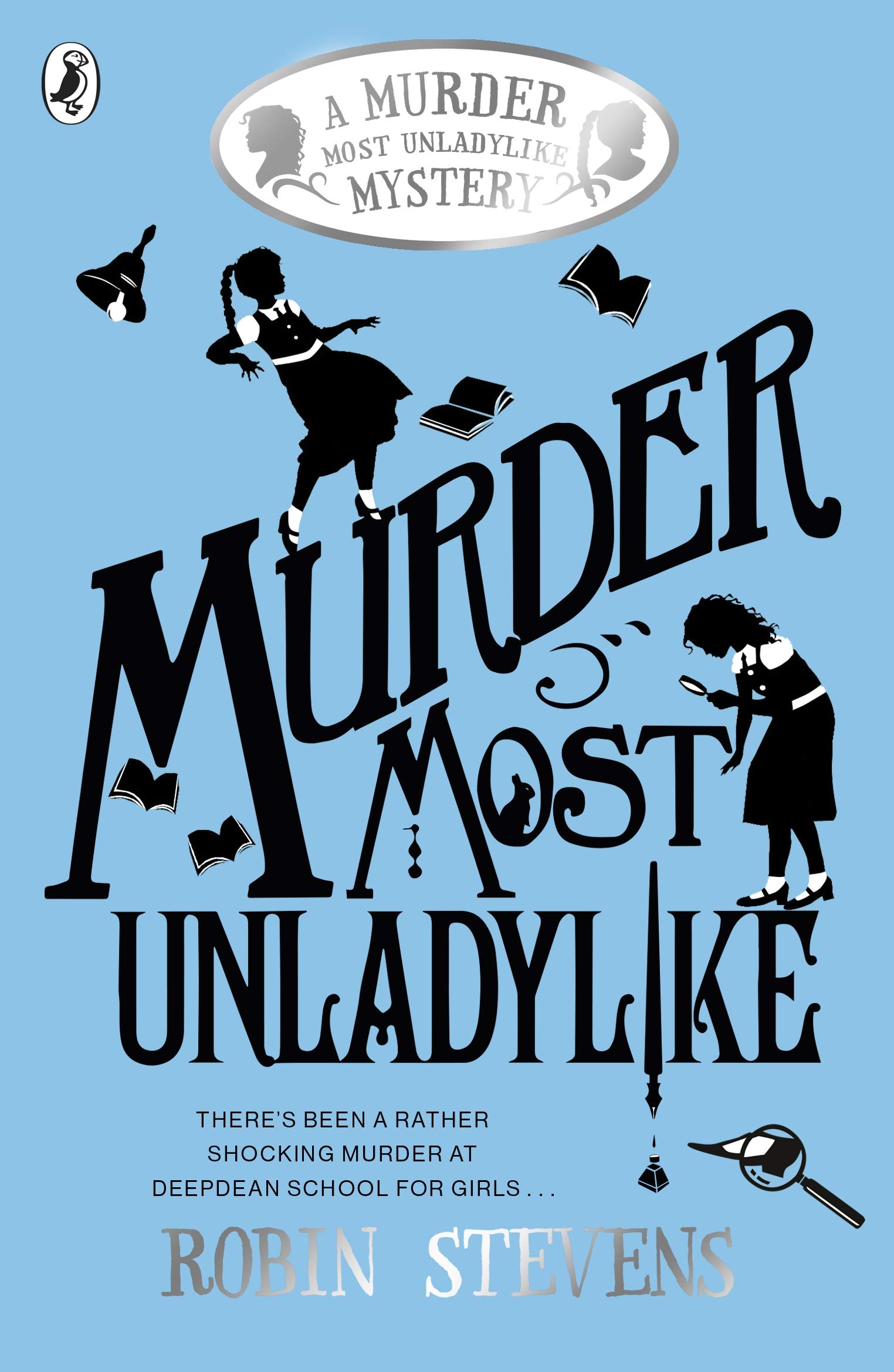
They can be unconvincing and take you out of the reading experience as you turn and mutter “But, it wouldn’t happen like that…” Even when done credibly, they are not where I want to spend any more of my free time!
I am, however, looking forward to reading the Murder Most Unladylike series with my daughter when she is ready.
The Slave Trade

Don’t get me wrong, the Atlantic slave trade and our role in it as white, Westerners with our colonial, imperialistic and exploitative histories is something that is critical and vital. The pulling down of statues during Black Lives Matters events, the removal of “problematic” commemorations of figures who had a hand in the trades all are testament to the very real, very alive feeling of horror that the slave trade continues to evoke.
And in theory, fiction is a great place to explore those feelings, that culpability, that horror… a space for catharsis, for exploration, for humanity to reassert itself. A space for healing. And it is a setting that I do read and have read fairly widely in – which makes its inclusion on this list questionable – because of its importance. But it is always a setting that I approach with trepidation and which requires a conscious fortification of the nerves.

And yet… it is an exploration that I find incredibly difficult as a reader. Our entire history is tainted by it and our involvement continues to taint us; and yet, the medium of the novel is primarily one of pleasure and entertainment.
And novels have a narrative thrust towards resolution, and perhaps I wonder whether the world, whether my culture as a white European, is ready yet for that resolution – whether it even deserves that resolution considering its continued resistance to even apologising for the slave trade.
Perhpas it is best of leave this with the summary that this setting is one that discomforts me hugely – which is one of the purposes of reading after all.
The Holocaust

My issues with the holocaust in fiction are similar to the slave trade: it is too big, too horrific, too appalling, too recent to be a comfortable topic for an industry which is focused on entertainment.
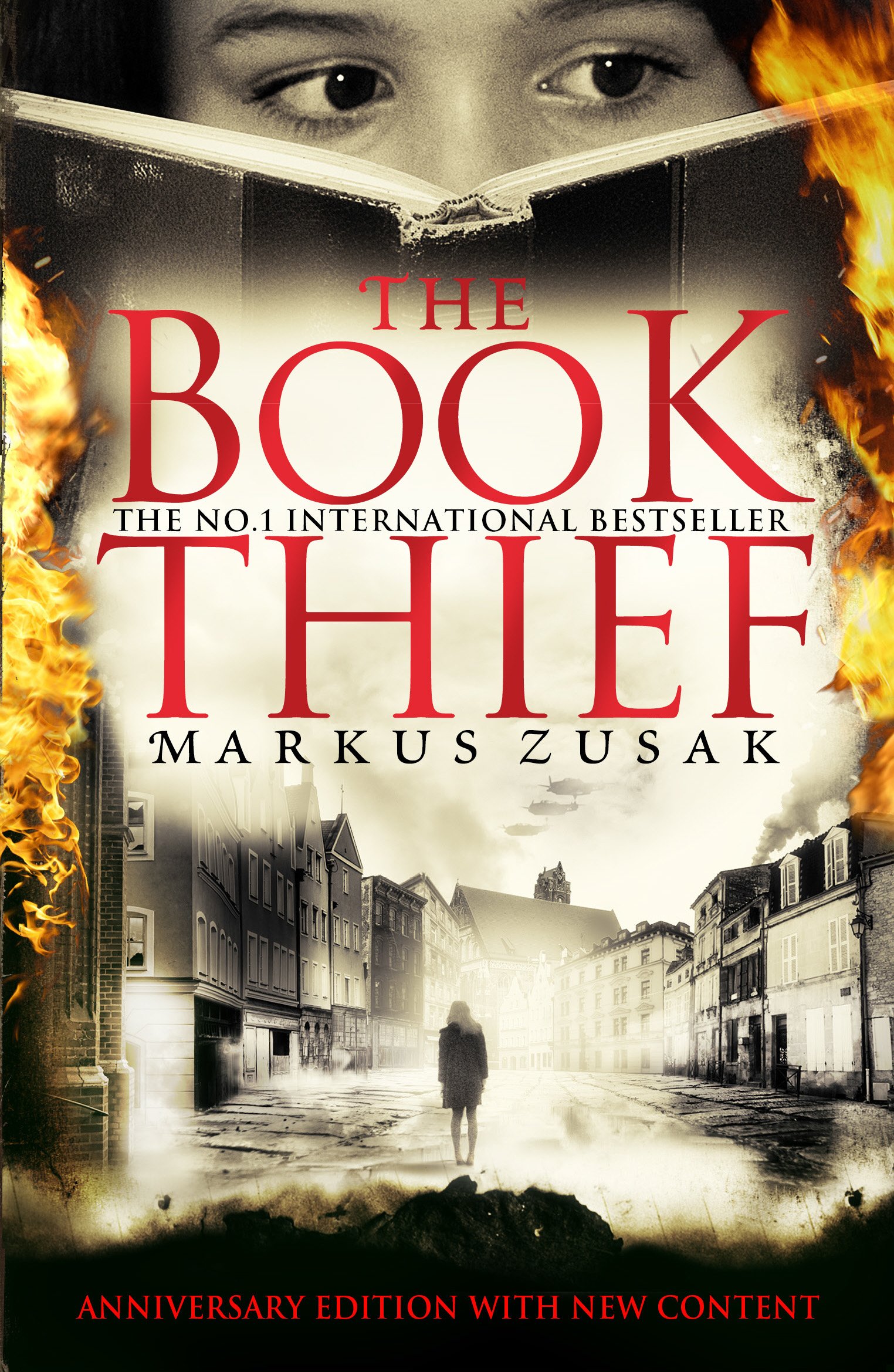
To exploit the holocaust for shock value feels wrong – and however much I love much of John Boyne’s writing, I found his treatment of it in The Boy In Striped Pyjamas troubling – so much so that I didn’t pick up anything else by Boyne for years.
One novel which does work, in my opinion, within the setting of the holocaust, was The Book Thief. That book was just extraordinary!
Women in Refrigerators Trope
All representation is good, right? Not so much for the next couple of examples. Although the “Women in Refrigerators” syndrome originated in comic books, it remains a highly problematic trope in literature generally. The classic example perhaps is Gwen Stacy in Spider-Man, a female character introduced with little or no purpose except to die at the right time to give motive to the main male character to progress the plot.

And it doesn’t stop at death: maiming, injuring, sexually assaulting, raping or creating a female character who is in any way disempowered in order to empower another character is problematic, especially so when that other character is a man. There is so mush insidious patriarchism in the world, that this particular trope is more than just uncomfortable, it is genuinely damaging.
Kill Your Gays Trope
Either killing or demonsiing your gay or queer characters is not good representation. I recall one episode of Misdomer Murders where two characters were discovered to have been in a lesbian relationship. Within fifteen minutes, one was dead; fifteen minutes after that, the other had been arrested.
Queerbaiting
Queerbaiting is cynical exploitation of queer representation for commercial profit, when the text themselves have nothing to do with being queer. The most obvious example is, perhaps, J. K. Rowling’s sudden assertion that Dumbledore was gay in Harry Potter. It is hard to view this as anything other than a cynical ‘cashing in’ on the purchasing power of gay readers. One of many problematic issues with the series.
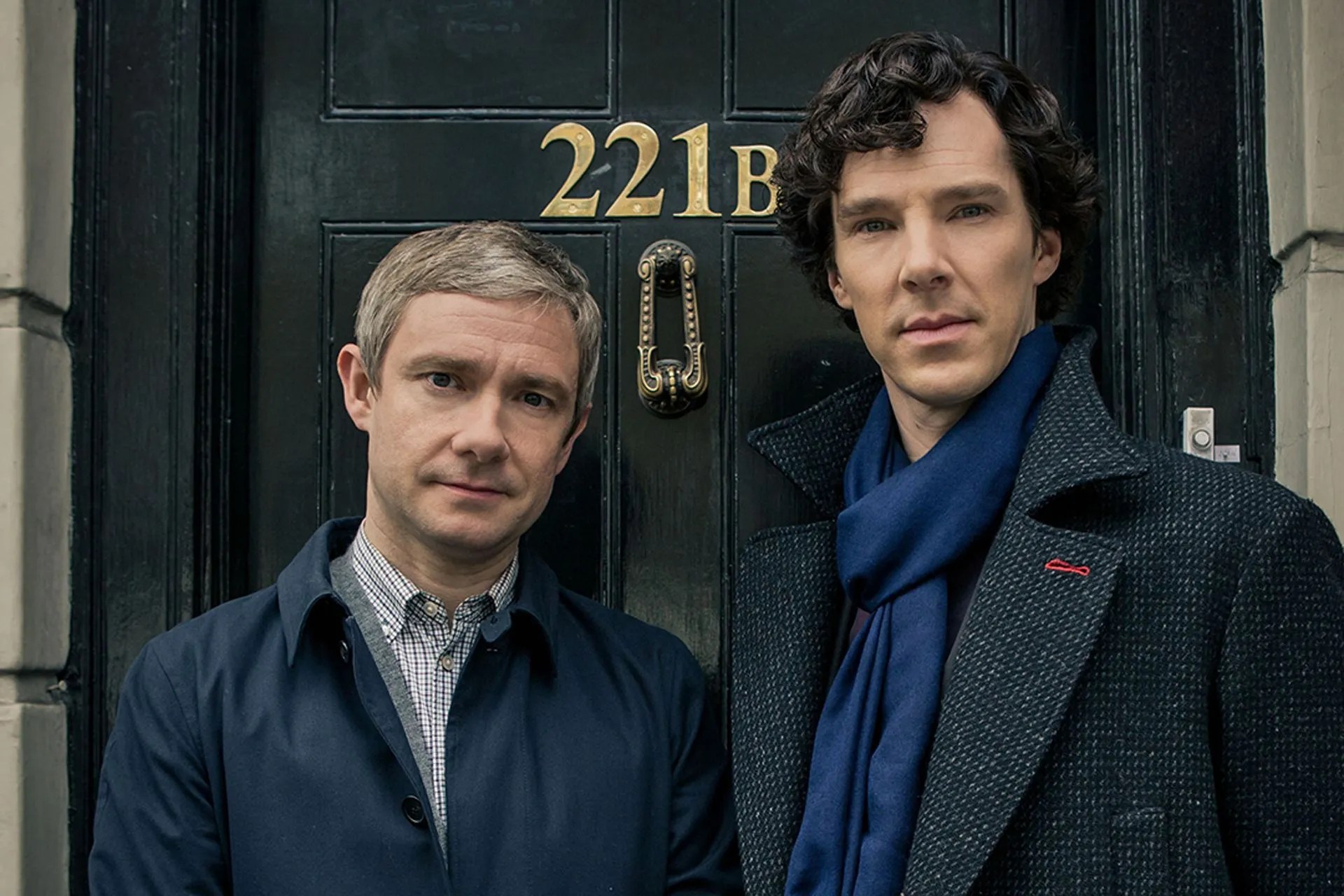
Is it an issue perhaps with more relevance to visual media than to literature? Possibly – the best examples I can think of is the opening series of Sherlock where the Holmes-Watson shipping industry is given an affectionate nod as characters repeatedly assume that they are a couple.
And of course, following the TV adaptation of Good Omens, I believe someone added Michael Sheen to David Tennant’s Wikipedia page as his partner…
Clickbait advertising
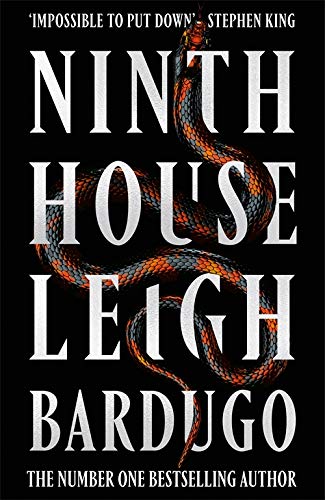
I loved both Gideon and Harrow the Ninth, but the sort of blurb that is included on the cover is the sort of reductivist clickbait comment that normally turns me off:
“lesbian necromancers explore a haunted gothic palace in space,”

I mean, what’s not to love, but the list of these tropes in this way makes the novel sound like it has been targeted at the lowest common denominator of reader. It is not unlike the title of the James Corden film Vampire Lesbian Killers. This is perhaps compounded by the comment in the blurb that Gideon “packs up her sword, her shoes, and her dirty magazines” – dirty magazines that are never referred to again or have any relevance to the plot.
In this case, perhaps, the issues can be laid at the door of the editors and publishers – the book itself was wonderful, fun and did indeed feature necromancers who explored a gothic palace in space and who did end up bound together as “One flesh, one end, bitch.”
So, as I said at the start, these are not actually features that make me refuse to read a book – there is little that would – but features that put me off and make me less likely to choose this genre, theme or setting above others in my tbr pile. And I have tried to highlight examples where I have enjoyed books despite featuring these themes, ideas and tropes.
Please do let me know your thoughts. As always, I appreciate each one!
Upcoming Top Ten Tuesday Themes
June 6: Books or Covers that Feel/Look Like Summer (You can interpret this in a number of ways. Maybe the covers or titles are obviously summer themed, but maybe the feeling the book gives you is all warm and summery. Maybe the book cover colors look summery or the story itself takes place in the summertime. Or maybe the titles you select are favorites that you re-read every summer when you were on break from school.)
June 13: Bookish Wishes (I host this topic twice a year (around Christmas and again in June), and people love it! List the top 10 books you’d love to own and include a link to your wishlist so that people can grant your wish. Make sure you link your wishlist to your mailing address [here’s how to do it on Amazon] or include the email address associated with your ereader in the list description so people know how to get the book to you. After you post, jump around the Linky and grant a wish or two if you’d like. Please don’t feel obligated to send anything to anyone!)
June 20: Books on My Summer 2023 to-Read List
June 27: Most Anticipated Books Releasing During the Second Half of 2023
July 4: Book Covers In the Colors of My Country’s Flag (It’s the 4th of July in the USA today, so tell us what country you live in and share book covers that match the colors of your country’s flag!)


 The Book Lovers' Sanctuary
Some of these are annoying, like the animal narrators, and some of these are deplorable, like the degradation of women and gay people. I am not a fan of books set in prisons either, though I’m reading Count of Monte Cristo and our poor main character has now spent six years in isolation.
LikeLiked by 1 person
Six years in isolation… crikey! Sounds like covid all over again! Not actually read that one
LikeLike
Totally get what you mean by talking animals and animal narrators. Although, I did think of two exceptions for me. One is Remarkably Bright Creatures where an Octopus has chapters. The other is an older Sandy Hall YA had that 14 different POVs of view and one was a squirrel. Those both added an extra something to the story. Great list!
LikeLiked by 1 person
There is a chapter in Stone Blind narrated by the snakes of Medusa’s hair too… Remarkably Bright Creatures sounds interesting: I know people who have swum with octopuses and dived and who passionately believe in their intelligence and sentience.
LikeLiked by 1 person
It’s a fantastic book. I would highly recommend it.
LikeLiked by 1 person
On animal narrators, have you ever read “Traveller”? ? It’s a story of the Civil War from a horse’s view. The author is the same as wrote “Watership Down”.
LikeLiked by 2 people
I’ve not read it – good?
LikeLiked by 1 person
I enjoyed it enormously, being a Civil War buff and someone who is familiar with the personalities of Lee’s immediate subordinates and recognized them from the horse’s description. I mentioned in my review that it’s probably best to have some general history of the war in the eastern theater prior to reading this, because the horse is a horse (of course, of course) and isn’t giving a full history lesson. If you’d like, you can check out my comments below:
LikeLiked by 1 person
‘Women in refrigerators’ and ‘Bury your gays’ are definitely in my top ten turn-offs. Queerbaiting is more complex, because (speaking as a queer author) we’re at a point where authors are both rewarded and punished for writing queer content.
LikeLiked by 1 person
Oh, I absolutely get what you’re saying as a queer reader. I seriously hope nothingbI wrote offended anyone.
It is so important to see queer characters, queer coded characters, queer relationships… had they existed in the media I was exposed to in the 80s, it may have taken less time to recognise my own sexuality!
What puts me off is when the queer coding seems tokenistic, cynical, and driven by marketing trends.
LikeLiked by 1 person
I get you, there’s definitely a lot of cynicism in mainstream publishing about the queer stories that can and can’t get published. I’ve found that indie publishing – both small presses and self-publishing – is more inclusive, and LGBTQ authors are more able to write what they want to write . 🙂
LikeLiked by 1 person
Yeah, prison settings bother me as well. And yes, SO much with the blurb. I have put down so many books that I have heard are great because the blurb just…UGH!
LikeLiked by 1 person
I agree with most of these. It’s funny that you mention talking animals because you expressed my thoughts exactly, right down to the only example that I have ever seen work well. I love The Chaos Walking series, although I did put the first book down twice because I couldn’t get into the way it was written. Once I got used to it, I couldn’t stop. Great series.
Happy TTT!
Susan
http://www.blogginboutbooks.com
LikeLiked by 1 person
I actually quite enjoy talking animals, some of my favourite books as a kid featured that trope (ie Black Beauty, Charlotte’s Web). I have also very much enjoyed a lot of books with school settings, though generally fantasy type school settings rather than contemporary schools, I think because those schools always seemed like a lot more fun than my own! I’ve also read quite a few Holocaust novels and when done well, those can be some of my favourites (you used The Book Thief as an example and that’s one of my all-time favourite books). The last three you mention though, women being fridged, bury your gays and queerbaiting are all things that definitely annoy me in books.
My TTT: https://jjbookblog.wordpress.com/2023/05/30/top-ten-tuesday-422/
LikeLike
Great list! Women in refrigerators, Bury your gays and Queerbaiting are all turn-offs for me as well.
I do enjoy school settings myself, but I can totally see that for a teacher it would not be as fun to read about.
LikeLike
adore talking animals sooo much omg
LikeLiked by 1 person
I can’t agree more. Women in refrigerators is such a turn-offs!
LikeLiked by 1 person
I also don’t gravitate towards prison settings, but I did also read The Mars Room and enjoyed it! Animal Narrators is a prompt on my reading challenge for the year, and I’ll probably save it until the very end. Haha! Great list this week!
LikeLiked by 1 person
I don‘t have issues with animals/animal narrators, but with all other points I largely feel the same. I don‘t mind BBC Sherlock much, especially as it was written by Mark Gatiss, who I adore.
LikeLiked by 1 person
Oh no, I thought the Sherlock was done very knowingly and very cleverly!
LikeLiked by 1 person
[…] 30th May: Things That Make Me Instantly NOT Want to Read a Book […]
LikeLike
[…] 30th May: Things That Make Me Instantly NOT Want to Read a Book […]
LikeLike
[…] 30th May: Things That Make Me Instantly NOT Want to Read a Book […]
LikeLike
[…] 30th May: Things That Make Me Instantly NOT Want to Read a Book […]
LikeLike
[…] 30th May: Things That Make Me Instantly NOT Want to Read a Book […]
LikeLike
[…] 30th May: Things That Make Me Instantly NOT Want to Read a Book […]
LikeLike
[…] 30th May: Things That Make Me Instantly NOT Want to Read a Book […]
LikeLike